We know how quickly a flooded property turns from a simple mess into a structural nightmare involving category 1 2 3 water damage.
You have probably seen this yourself during an estate clearance or a plumbing failure. The water might look clear, yet the repair bill suggests a massive hazard.
Our team approaches water damage and sewage restoration by strictly identifying the contamination level first. This assessment explains why some repair plans look incredibly aggressive right out of the gate. Let’s look at the data behind these rules and explore a few practical ways to respond safely.
Why Category 1 2 3 Water Damage Gets Categorised
We grade every single water loss by its contamination level before deciding what stays and what gets tossed. It is the absolute first determination a restoration technician makes on arrival. Every step that follows depends on this initial assessment.
Our standard operating procedure comes directly from the ANSI/IICRC S500 standard. This 2021 updated protocol recognizes a harsh physical reality. You can dry a wet solid material, but you simply cannot disinfect the deep interior of a porous one like drywall.
To make this process transparent, technicians evaluate three main factors:
- The original source of the water
- The age of the damage and current temperature
- The specific building materials affected
We treat all unknown water sources as highly contaminated until proven otherwise. That insider protocol prevents dangerous bacteria from lingering in the home. The more contaminated the water, the more material has to be physically removed.
Category 1: Clean Water
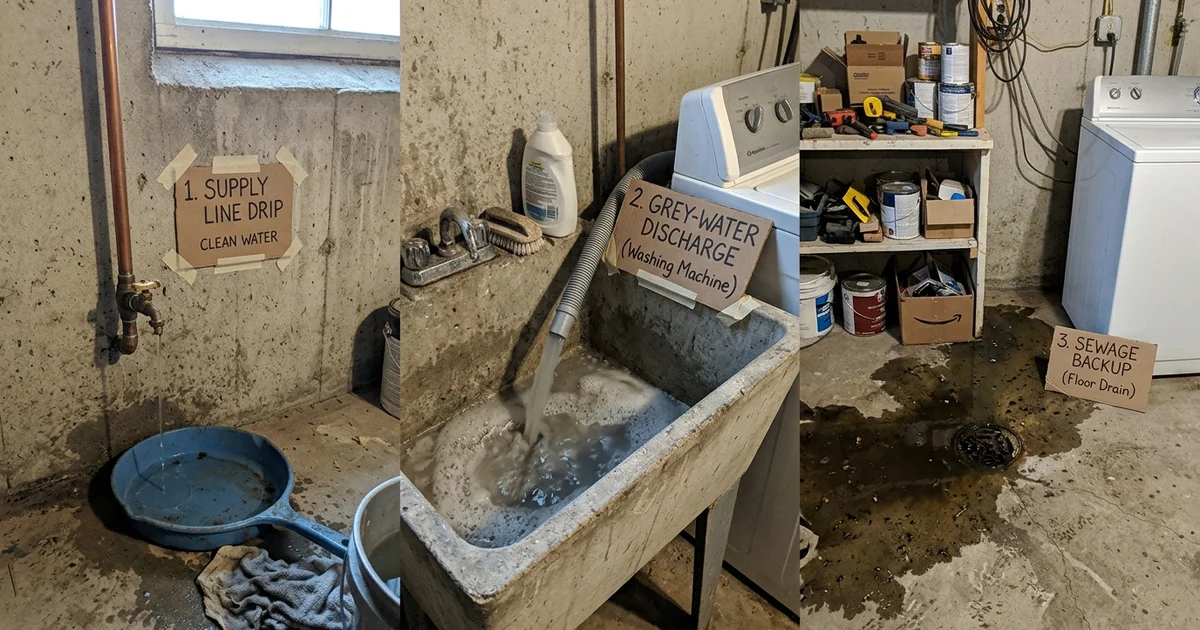
Our crews define Category 1 as water from a sanitary source that poses no substantial health risk on contact or ingestion. Typical sources include broken supply lines, failed hot water tanks, overflowing sinks with no contaminants, and melting snow entering a building. Toilet tank water, as long as it does not contain bowl water or chemical cleaners, also falls into this group.
We find that acting quickly on these clean water leaks saves thousands of dollars. According to 2026 data, a typical residential water damage claim in Canada runs between $25,000 and $45,000, often starting from these seemingly harmless leaks. A rapid response keeps repair costs on the lower end of that spectrum.
When facing a Category 1 event, the response is straightforward:
- Extract: Remove standing water immediately using professional pumps.
- Dry: Use commercial air movers and dehumidifiers to pull moisture from the environment.
- Monitor: Check moisture levels inside walls to ensure nothing is missed.
Our equipment can typically dry most materials in place, including drywall, wood framing, and even carpet. The catch is that this drying process must start within a few hours. Shutting off the main water valve immediately is the single best pro-tip to stop the situation from escalating.
Category 2: Grey Water
We classify Category 2 as grey water, which contains significant chemical, biological, or physical contamination. This water has the potential to cause discomfort or severe illness upon contact or ingestion. Typical sources include washing machine and dishwasher discharges, sump pump failures, and hydrostatic pressure seepage.
Our protocol also flags toilet overflows containing urine, but no solid feces, as grey water. The concentrated detergents and trace food soils make this water hazardous to handle without proper gloves and boots.
Treatment and Salvage Operations
We require strict antimicrobial treatments in addition to aggressive drying for any grey water loss. Restoration experts frequently use botanical, EPA-registered products like Benefect, which is highly effective and widely trusted across Canada. Carpet can sometimes be salvaged if the cleaning treatment is incredibly thorough.
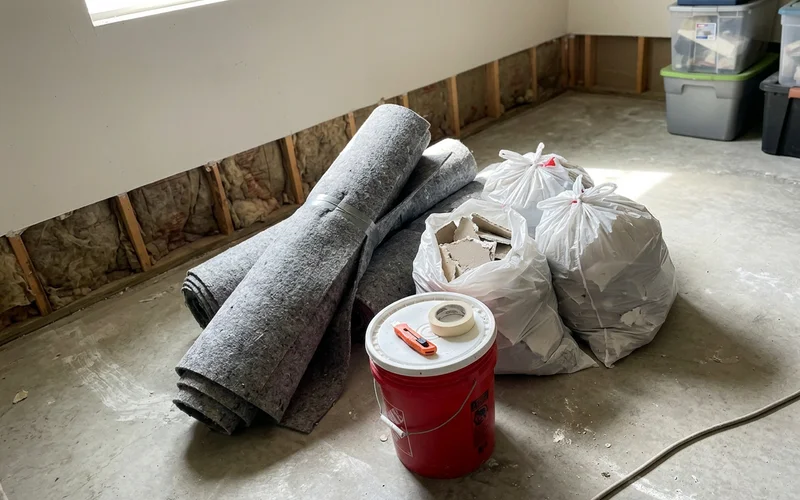
Our technicians always remove and discard the carpet underlay. That foam padding acts like a giant sponge, trapping contaminants permanently. Heavily absorbent materials like drywall usually need to be cut out and discarded.
Category 3: Black Water
We handle Category 3 black water as a grossly contaminated biohazard that contains pathogenic, toxigenic, or other severely harmful agents. Typical sources are sewage backups, rising groundwater, river flooding, and any water carrying biological decomposition. Wind-driven rain that enters through a damaged building envelope is also treated under these strict guidelines.
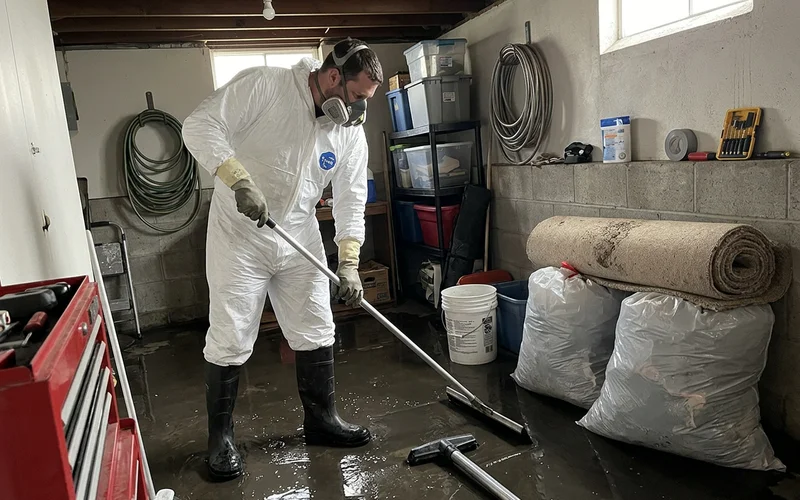
Our teams wear full Personal Protective Equipment (PPE), including respirators and Tyvek suits, when entering these zones. The Insurance Bureau of Canada reports that sewer backups are a leading cause of home insurance claims, making this a highly common disaster.
The Serious Health Risks
We never treat a sewage water category 3 event as a simple judgment call about how bad it looks. The protocol mandates the immediate removal of all affected porous materials, heavy disinfection of remaining structural surfaces, and licensed disposal. Sewage carries aggressive bacteria like E. coli and salmonella, alongside dangerous viruses like hepatitis A.
Our objective is to completely isolate the area with negative air pressure containment before starting the tear-out. When comparing black water vs grey water, any skin contact or an open cut instantly turns a Category 3 property nuisance into a severe medical issue.
| Category | Common sources | Porous materials | PPE level |
|---|---|---|---|
| 1: Clean | Supply line, tank, rain | Usually dried in place | Standard |
| 2: Grey | Appliance discharge, seepage | Underlay replaced, treatment required | Elevated |
| 3: Black | Sewage, ground water, flooding | Removed and disposed | Full PPE and containment |
Categories Degrade With Time
We always emphasize that water categories degrade rapidly, changing the entire scope of a project within days. This timeline shift is the crucial detail that alters a property owner’s urgency once they understand the science. Category 1 clean water sitting in a building quickly picks up contaminants from floor dust, pet dander, and general surface dirt.
Our experience shows that bacteria multiply extremely fast in a warm, damp indoor environment. Health Canada guidelines clearly state that mould will begin to grow in an excessively damp area within just 48 hours. Within that 24 to 48-hour window, clean water has effectively transformed into Category 2 grey water.
Our crews see this all the time during delayed estate cleanouts. If left slightly longer, particularly in the summer heat, that same puddle degrades into a Category 3 black water hazard.
A clean-water loss addressed within hours remains a straightforward drying job. The same incident addressed after three days requires the aggressive material tear-out appropriate for a contaminated event. Time does not simply add a minor mould risk, it fundamentally reclassifies the entire loss.
Why sewage is different from “dirty water”
Sewage carries bacteria including E. coli and salmonella, viruses including hepatitis A and norovirus, and parasites. These are not present in trace amounts, they are the content. Contact risks gastrointestinal infection and skin infection, and any open cut turns a nuisance into a medical issue.
What This Means for Your Claim
We help families manage the insurance process, and it is vital to know that insurers treat these categories very differently. Standard Canadian home insurance policies generally exclude overland flooding and sewage backups by default. You must specifically carry a sewer backup endorsement in provinces like Ontario to get covered for Category 3 events.
Our clients usually find that adding this endorsement costs roughly $80 to $150 per year. That small annual fee provides immense protection against a disaster that could easily cost over $40,000 to repair.
Documentation and Next Steps
We produce a detailed file on every job that clearly documents the exact category, the water source, and the timeline. Where a Category 1 loss has degraded due to a reporting delay, that timeline becomes a critical factor in how the insurer handles the payout. Prompt reporting is the most effective way to secure a successful claim and keep costs low.
Our guide on emergency first steps covers the vital actions to take during the first ten minutes if you have water in the property right now.
Call a professional team immediately after taking those steps, and the experts will handle the safety categorisation and the repair scope for any category 1 2 3 water damage.