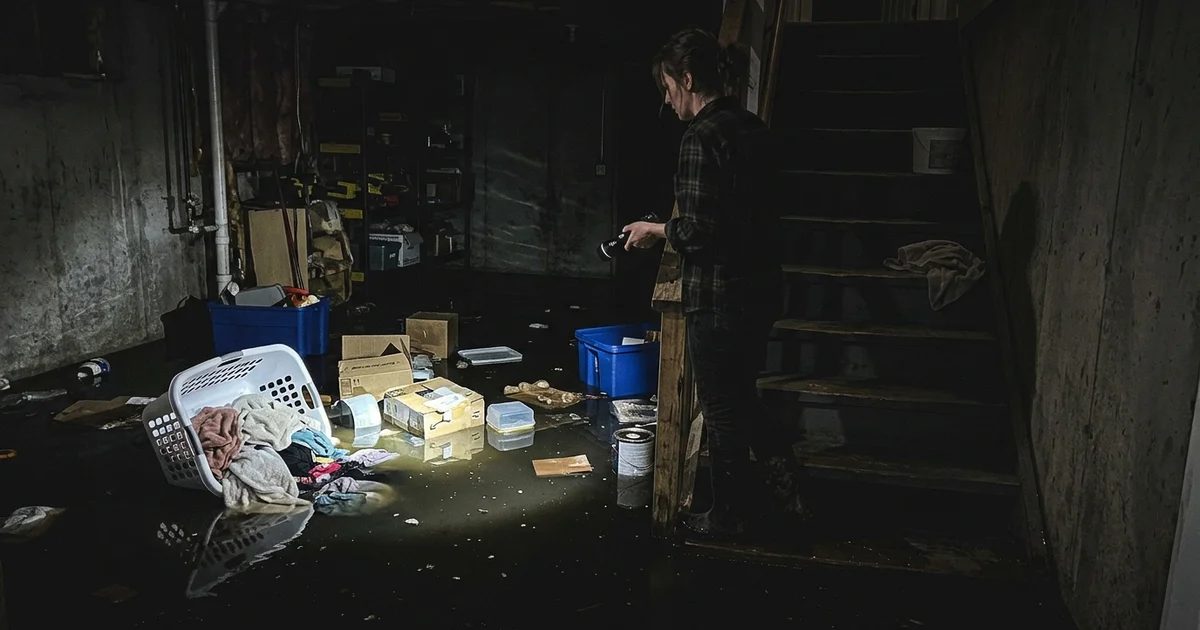
We know that clearing an estate or managing a hoarding situation for a loved one is deeply stressful.
Finding raw sewage flooding the basement on top of that feels like an impossible hurdle. This toxic water adds severe health risks to an already complicated cleanout process.
Our team sees this exact scenario constantly, especially since the Insurance Bureau of Canada reported average residential water damage claims hitting $25,000 to $45,000 in 2026. That price tag reflects the physical danger of the contamination, not just the water volume.
Let’s look at the immediate safety steps, what the data actually tells us about contamination, and the specific plan to get this resolved safely.
Do These Four Things First
You must stay completely out of the water and cut the electricity from a dry location immediately. Our priority is your physical safety, as electrocution and severe infections are the real threats right now.
- Isolate the area: Sewage is classified as Category 3 black water. It carries dangerous pathogens like E. coli and Salmonella, according to Health Canada guidelines. We urge you to keep pets, children, and anyone helping with the estate cleanout far away from the stairs.
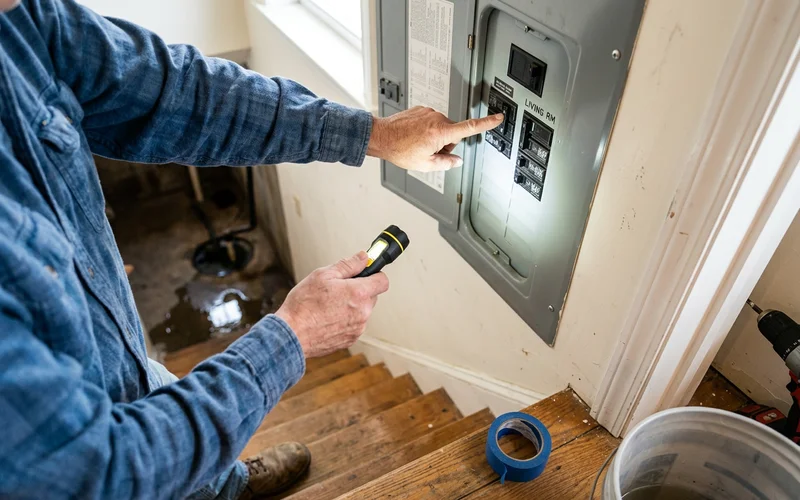
- Kill the power safely: Shut off the breakers serving the basement, provided you can reach the main electrical panel without crossing any wet areas. Call your local utility provider if you cannot safely access the panel.
- Do not vacuum: Our technicians strongly warn against using a standard shop vacuum to extract this mess. This equipment will aerosolize the contaminated water, blowing harmful bacteria throughout the upper floors of the home.
Rapid extraction dictates the success of the entire cleanup effort. We dispatch specialized teams for Emergency water damage restoration 24 hours a day, because every single hour matters.
Why Sewage Is Treated Differently
Sewage requires aggressive removal of all porous materials because it is fundamentally a biohazard, not just a water leak. Our industry grades water damage by contamination level, and raw sewage is automatically classified as Category 3 from the first second.
This severe classification dictates the entire response protocol. You cannot simply dry out or disinfect porous materials that have absorbed this black water.
We must completely remove and discard affected drywall, particleboard furniture, and underlayment to ensure safety. Strict safety standards dictate that the crew wears full personal protective equipment (PPE) during the process.
- Category 1: Clean water from a broken supply line or tap.
- Category 2: Grey water containing some contamination, like washing machine discharge.
- Category 3: Grossly contaminated black water, harboring viruses and parasites.
The protocol protects everyone in the home from airborne pathogens. Our complete guide on water contamination categories explains the full grading system in detail.
Category degrades with time
Category 1 water left standing becomes Category 2 as it picks up contaminants. Category 2 left standing becomes Category 3 as bacteria multiply. A clean-water loss that sits for three days is no longer a clean-water loss, which is another reason response speed changes the cost.
What to Document While You Wait
You need to photograph the affected areas from a safe, dry distance and record the exact time of discovery. Our insurance partners confirm that clear, early documentation drastically improves the speed and success of a claim.
Take wide photos of the entire space before zooming in on specific damaged items. Try to capture the water depth against a fixed reference point, like a stair riser or a door frame.
Crucial Evidence to Capture
- Water lines: Show how high the sewage reached on the walls.
- Ruined items: Document damaged estate contents before they are removed.
- Entry points: Photograph the floor drain or sump pit if visible from a safe distance.
We strongly advise against wading into the water to rescue family heirlooms or valuables. Simply write down the timeline of events.
Insurers will ask when the backup started and when you found it. Our teams can safely move items from the top of the stairs to a dry zone if necessary.
Focus on documenting these specific elements from a distance. Detailed records protect the estate’s financial interests.
What Happens When We Arrive
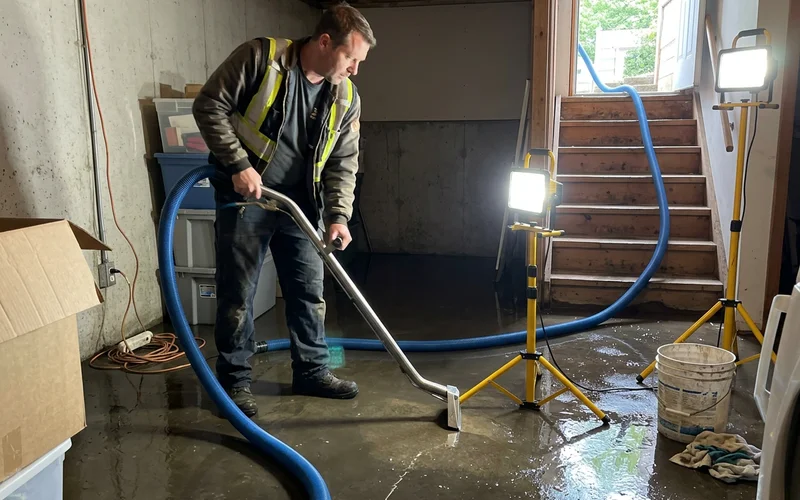
We immediately begin extracting the standing sewage and setting up physical containment barriers. This containment ensures that harmful bacteria do not track into the unaffected upstairs areas of the home.
The next phase involves removing all contaminated structural materials and mapping the hidden moisture. Our crew tears out the ruined porous materials, carefully documenting each discarded item for the estate’s insurance claim.
| Action Phase | Typical DIY Attempt | Our Professional Protocol |
|---|---|---|
| Water Removal | Using a rented wet vacuum, risking cross-contamination. | Truck mounted extraction using sealed, sanitized lines. |
| Material Disposal | Hauling wet, heavy drywall through clean living spaces. | Bagging biohazards in containment zones before removal. |
| Drying Process | Running residential fans that just blow bacteria around. | Using thermal imaging and commercial dehumidifiers. |
Technicians then wash the remaining concrete and framing with industrial, Health Canada approved antimicrobials. Professional drying is an exact science, completely measured and logged.
We use thermal imaging cameras and digital moisture meters to locate water that wicked up inside wall cavities. Commercial dehumidifiers and air movers run continuously to pull moisture from the structure.
This equipment operates until the area hits a verified dry standard, which usually takes three to five days.
The Insurance Point People Wish They Knew Earlier
Standard home insurance policies in Ontario specifically exclude sewer backup coverage unless you purchased a separate endorsement. Our clients often discover this painful fact only after a disaster strikes the family estate.
The Insurance Bureau of Canada notes that this specific endorsement typically costs just $80 to $150 per year. Without it, the estate could be fully responsible for a $45,000 cleanup bill out of pocket.
We bill the carrier directly and handle the comprehensive loss documentation if the endorsement is active. Check the policy documents carefully before making any assumptions.
Steps for Insurance Coordination
- Verify the endorsement: Look specifically for sewer backup or overland water coverage.
- Review the limits: Confirm the maximum payout, as basement cleanups frequently exceed $25,000.
- Request direct billing: Ask your adjuster if they support direct invoicing from the restoration contractor.
Transparent pricing is crucial during an emergency. Our estimators will provide a clear, written scope of work if the property lacks this coverage.
The team separates the urgent biohazard removal from the secondary repair work so you can make informed financial decisions. Call your broker immediately after this crisis passes to verify your coverage limits.
Afterwards: Prevention
Installing a municipal backwater valve and upgrading the sump pump system are the two best defenses against future flooding. Our long-term goal is ensuring this basement remains permanently dry and safe.
A backwater valve automatically blocks city sewage from reversing up your lateral line during heavy rainstorms. The City of Hamilton currently offers a Protective Plumbing Program in 2026, providing up to $2,000 for homeowners to install these specific valves.
We recommend testing sump pumps annually and adding a dedicated battery backup system. Severe storms are the most common cause of power outages, which is exactly when you need that pump working hardest.
Essential Defensive Upgrades
- Install a backwater valve: Stop municipal sewage from entering the home.
- Upgrade the sump pump: Include a battery backup for power failures.
- Extend downspouts: Discharge rainwater at least two metres away from the exterior foundation on ground sloping away.
Our focus right now is on the immediate crisis, so please call for extraction first. None of these preventative measures will solve tonight’s emergency.
The team can discuss prevention planning once the basement is completely dry and decontaminated. Contact our emergency dispatch line right now so we can start the extraction process immediately.