
From what we have seen over the years in this field, the hardest part of managing an overwhelming estate is rarely the physical labour. The true challenge is handling the deep emotional distress attached to the possessions. Hoarding disorder is a recognized mental-health condition listed in diagnostic manuals.
It involves genuine anxiety at the thought of discarding items.
We know that a forced clear-out has a terrible track record for long-term success. Emptying a property over someone’s objection frequently damages the relationship between the resident and whoever arranged the intervention. Families who have been through this process often describe it as the exact moment a parent stopped speaking to them.
The alternative approach requires coordinating hoarding cleanup with counselling support and active family involvement. Let’s look at the data behind why this matters and explore a few practical ways to respond effectively.
Why Hoarding Cleanup With Counselling Support Matters as Much as the Work
The approach matters because hoarding is a complex psychological condition, not a personal failing, meaning forced removals frequently cause severe trauma and immediate relapse. Treating the cleanup as a collaborative mental health intervention produces lasting results.
About 1.4 million Canadians experience struggles with problematic clutter and difficulty discarding items. This condition is not laziness, and it is certainly not a character problem. Sometimes it appears alongside other severe mental health challenges.
We frequently see hoarding overlap with extreme self-neglect patterns described as Diogenes Syndrome in older adults. This specific syndrome affects approximately 0.05% of individuals over age 60. It involves domestic squalor, a lack of concern for living conditions, and high health risks.
Understanding this psychological foundation changes how interventions must happen:
- High recurrence rates: Forced clear-outs almost always lead to the accumulation returning within a year.
- Relationship damage: Unplanned interventions destroy trust between family members.
- Trauma responses: Removing items without consent triggers genuine panic and distress.
According to a 2025 systematic review of hoarding strategies, interpersonal connection and trusted relationships are the most critical factors for long-term success. A compassionate method takes longer to arrange, but it respects the individual and prevents the cycle from repeating.
How Coordination Actually Works
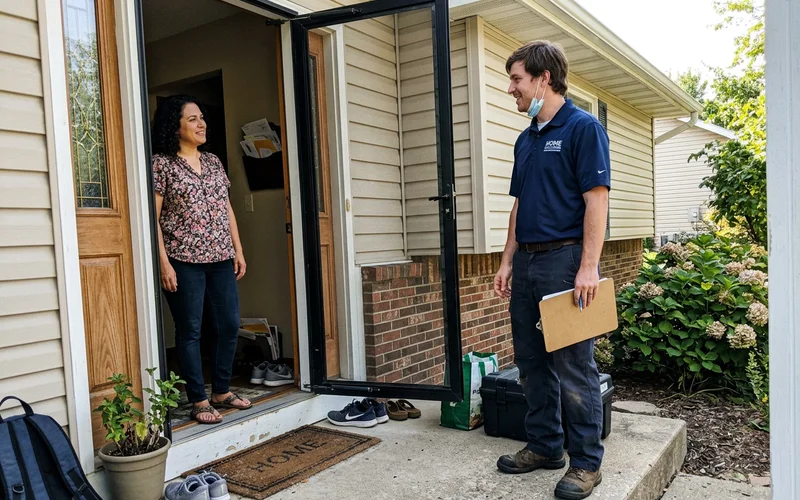
Coordination works by aligning the physical cleanup schedule with the emotional capacity of the resident, guided by any existing mental health professionals. If no clinical team is present, the cleanup proceeds based on safety priorities while actively connecting the family to appropriate social resources.
Where clinical support already exists. If a counsellor, therapist, social worker, occupational therapist, or community outreach worker is involved, we work directly to their plan. The 2026 guidelines from the Canada Mortgage and Housing Corporation (CMHC) strongly recommend coordinated case management to keep seniors safely housed. That might mean starting with one small room, working in short sessions, or pausing between phases. We take direction on pacing rather than setting it ourselves.
Where it does not. Plenty of families call us first because a looming deadline or a sudden health scare forced the issue. We can proceed on safety and sanitation grounds while pointing you toward local support resources. Programs like the Hamilton Home Management Program offer excellent educational support for maintaining a living space. Our team will say plainly when clinical involvement would improve the outcome.
Where the person is not participating. Sometimes the resident declines to be involved at all, has moved into care, or has passed away. Then the work becomes a family or executor decision.
| Scenario | Primary Decision Maker | Our Role |
|---|---|---|
| Active Clinical Support | Social Worker / Therapist | Execute physical tasks at a prescribed pace. |
| Family Intervention | Family Members | Address safety hazards and provide resource connections. |
| Vacant Property | Executor / Power of Attorney | Handle the clearance competently and discreetly. |
Pacing: What It Looks Like in Practice
Practical pacing means designing the sequence of the cleanup around the person’s emotional tolerance rather than a rigid bin collection schedule. It involves starting with low-stakes decisions to build momentum and trust before tackling sentimental or complex items.
Pacing does not mean going slow for its own sake. It requires using tools like the Frost Hoarding Scale to understand the severity of the clutter and adjusting expectations accordingly.
A common pattern is to start with a room the person uses least and cares about the least. This strategy builds confidence that the process will not run away from them. Another effective method is to start with clear, objective categories.
Targeting these specific items first helps build momentum:
- Expired food in the kitchen.
- Obvious garbage or soiled materials.
- Excessive duplicates of household goods.
Decisions that are easy build the psychological stamina required for decisions that are difficult. Providing compassionate hoarding help takes longer, but the emotional pacing guarantees a sustainable result.
The rule we work to
Nothing leaves without being seen, except what is unsafe. That single commitment does more to build trust than any amount of reassurance, because it is verifiable. When someone sees us set aside a photograph they had forgotten about, the process stops feeling like a threat.

Where We Do Hold a Line
We draw a strict line at immediate safety and sanitation hazards that violate fire codes or pose severe biological threats. Leaving these dangerous conditions in place is not a choice any professional service can support.
Two specific categories are completely non-negotiable. Our staff communicates this clearly at the initial assessment rather than discovering it mid-job.
When situations reach Stage 4 or Stage 5 on the Institute for Challenging Disorganization (ICD) scale, professional intervention requires strict safety protocols. Everything else, including things that look like pure rubbish to a frustrated family member, remains open for a conversation.
| Hazard Category | Examples of Non-Negotiable Items | Why Intervention is Mandatory |
|---|---|---|
| Life Safety | Blocked exits, compromised egress routes, heavy items stacked near heat sources. | Poses immediate fire hazards and violates municipal fire codes. |
| Sanitation | Spoiled food, animal waste, pest-infested materials, biological contamination. | Creates severe respiratory risks and requires specialized PPE to remove safely. |
Handling these specific biohazards safely requires compliance with Ontario environmental disposal regulations. We prioritize clearing these dangers first to stabilize the environment.
For Families: What Helps and What Does Not
Families help most by focusing on specific safety concerns and adopting a harm reduction mindset, accepting that partial progress is still a victory. Aggressive ultimatums and surprise cleanouts actively harm the situation and guarantee the clutter will return.
The relationship usually matters much more than the state of the room. Families that push a rapid clear-out at the cost of the relationship frequently find the accumulation returns within a single year. After a forced family hoarding intervention, they no longer have the trust required to offer help.
Using a harm reduction approach focuses on minimizing danger rather than achieving aesthetic perfection.
Helps:
- Naming a specific concern rather than issuing a general judgment. Stating “I am worried about you getting out if there is a fire” provides an actionable goal.
- Offering to be present during the sorting process without directing the choices.
- Accepting that progress may be partial. Partial progress is still a massive step forward.
Does not help:
- Surprise interventions or staging a sudden ambush.
- Discarding personal items while the resident is out of the house.
- Issuing harsh ultimatums.
- Framing the situation as something the person could fix if they simply tried harder. They have almost certainly already attempted to clean up many times.
When External Deadlines Exist
When municipal authorities or legal bodies impose mandatory deadlines, the work must proceed on a strict schedule, but the respectful approach remains the same. We prioritize clearing the required hazards by the legal date while still involving the resident as much as possible.
External mandates from the Ontario Landlord and Tenant Board (LTB), municipal fire orders, eviction proceedings, estate closings, and health inspections all impose non-negotiable timelines. In those highly stressful cases, the physical clearance has to happen on a specific schedule.
Even under extreme pressure, the core collaborative approach holds firm. We clearly explain what has to be done and by exactly when. The technicians on site focus on retrieving what matters most and involving the person to whatever degree their anxiety allows.
Managing a rigid legal timeline requires focusing on three priorities:
- Meeting the exact legal or municipal code requirements by the deadline.
- Preserving sentimental or highly valuable items during the rapid clearance.
- Communicating clearly with the resident so they are not caught off guard.
If you are not sure how to start this sensitive conversation, call our office. We have had these difficult discussions many times. Often, the most useful first step is simply understanding what the property actually requires to be deemed safe again. Securing professional hoarding cleanup with counselling support ensures the space is restored without completely destroying the family dynamic.